Hubble’s 200,000-orbit milestone is a lesson in patient science
NASA’s latest Hubble coverage marks 200,000 orbits and describes a search for a gravitationally lensed supernova. It is a reminder that scientific progress can involve repeated observation and careful comparison, not just a single spectacular picture.
Separate the milestone from the research
An operational milestone describes the telescope’s history. The scientific question concerns the object being observed and what the data may reveal. Combining both in a headline can be engaging, but they are not the same claim.
Look for the observation’s purpose
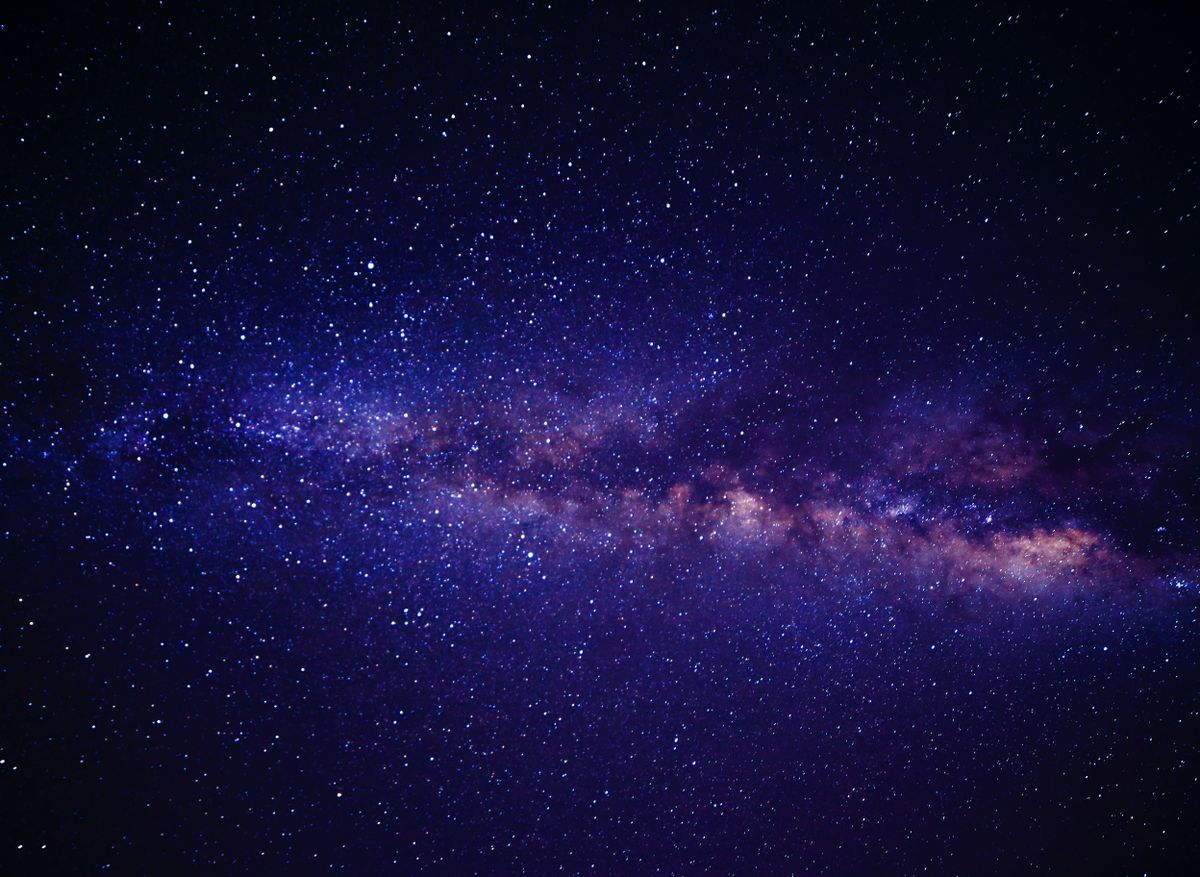
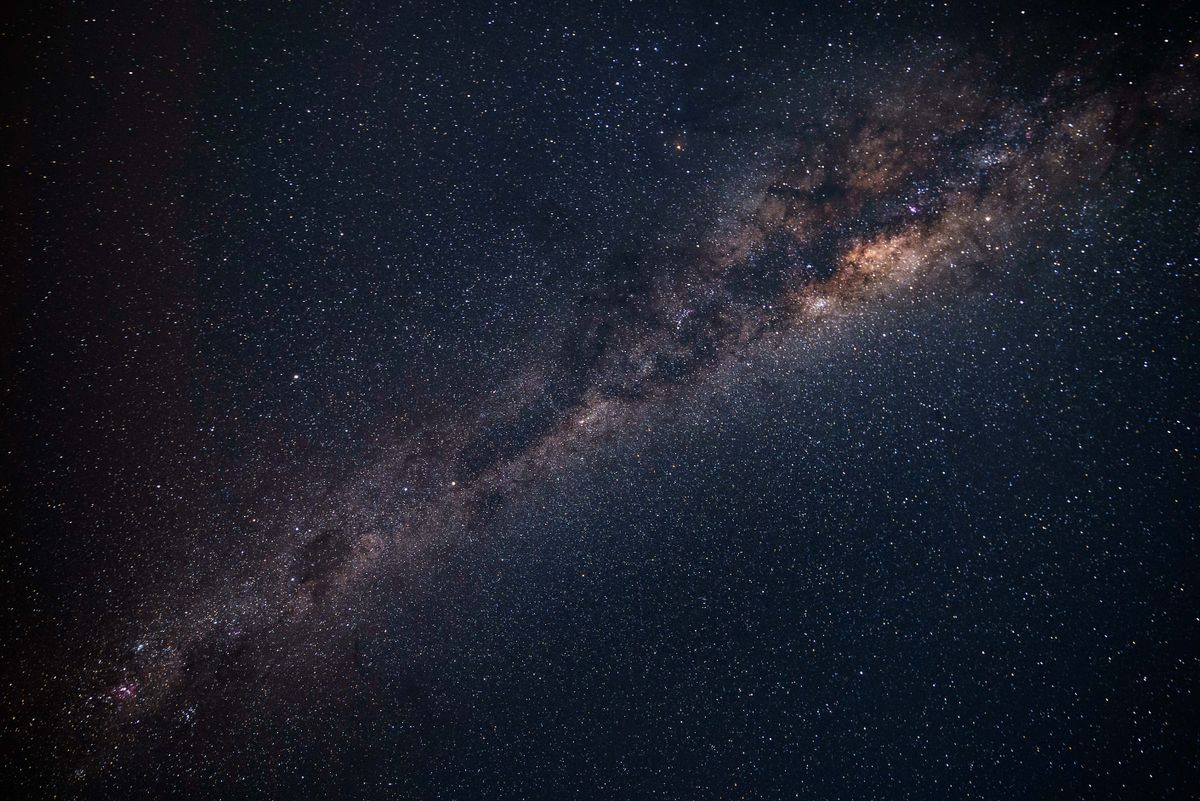
When a space image appears in your feed, find the accompanying caption. Ask what instrument recorded it, what the colors represent and whether the image combines multiple exposures. An image can be both beautiful and a carefully constructed scientific representation.
Start a better space bookmark folder
Save one official mission page, one image archive and one explainer you can understand. Return to them when a dramatic claim circulates. You do not need specialist equipment to develop a useful habit of following evidence. The goal is enjoying the wonder while keeping the source and the limits of the observation visible.
Sources & further reading
Source material and official guidance. Original practical suggestions are editorial content, not statements from the organisations below. Selected references checked September 24, 2026; publication dates and context are stated in each article.
Have a correction or a question about this article? Contact the editorial team. Read our editorial policy and disclaimer.