The Arctic ice headline: why the long view matters
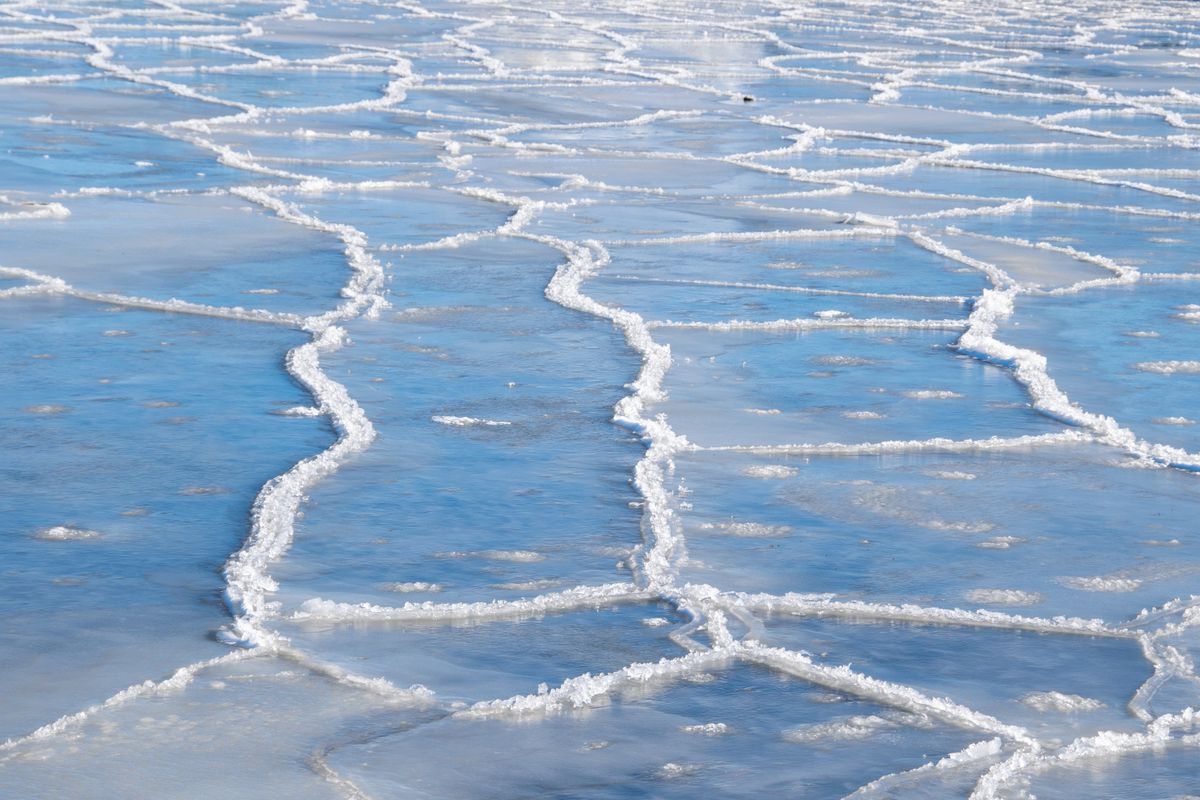
NASA’s September 23 report says Arctic sea ice reached its 2026 minimum on September 12 at about 4.6 million square kilometers. The result tied for tenth-lowest in the satellite record. A ranking alone, however, is only the beginning of the explanation.
Read the measure precisely
The report discusses sea-ice extent at the seasonal minimum. That is not the same measurement as ice thickness, total volume or land ice. When sharing a chart, keep the variable and the time period attached.
Put one year in context
NASA notes that the twenty lowest annual minima occurred in the last twenty years. A single season can vary with weather while remaining part of a longer pattern. Avoid treating a year that is not a new record as proof that the broader issue disappeared.
Make the graphic useful
Before reposting, check the axis, units and baseline. Link the original scientific explanation rather than a cropped image that removes its caveats. The practical media habit is simple: preserve enough context for someone else to understand what was measured and what conclusions the measurement can reasonably support.
Sources & further reading
Source material and official guidance. Original practical suggestions are editorial content, not statements from the organisations below. Selected references checked September 24, 2026; publication dates and context are stated in each article.
Have a correction or a question about this article? Contact the editorial team. Read our editorial policy and disclaimer.